Home
Used Equipment
BLENDER
RIBBON BLENDER
FILTERS
CFM
GAS
HOUSING
LENTICULAR
MICRO
PETTER
SANITARY
STRAINER
HEAT EXCHANGERS
AMMONIA
PLATE
SCRAPED SURFACE
SPIRAL TUBE
TUBE & SHELL
HOMOGENIZERS
LAB
OLDER
PARTS ONLY
SPECIALTY
STANDARD
Ultra-High Pressure Cell-Rupture
INSTURMENTATION/CONTROLS
CHART RECORDER
FLOW METER
LEVEL SENSOR
PRESSURE SENSOR
SENSOR
VFD
MISC
AUGER
BLENDER
BOILER
BURNER
CARBONATING TANK
CENTRIFUGE
CHEESE
CHILLER
CIP
CIP SYSTEM
CONVEYOR
COP
CUTTING TABLE
DRYER
EVAPORATOR
FILLER
FILTER PRESS
HEATER
HEMP
HOPPER
HTST
LAB
LABORATORY PASTEURIZER
MAGTRAP
MILL
MIXER
RELAY
SCALE
SEPARATOR
SINK
SKID
SOLENOID MANIFOLD
TCU
TROUGH
TUMBLER
VACUUM
WASHER
PARTS
SPARE PARTS
STOCK CHECK
PUMPS
CENTRIFUGAL
DIAPHRAGM
DRUM PUMP
FILLER
FILTER
GEAR
LIQUID RING CENTRIFUGAL
MAGDRIVE
METERING
MULTI-STAGE CENTRIFUGAL
MULTI-STAGE TURBINE
NON-SEAL
PERISTALTIC
PISTON
POSITIVE DISPLACEMENT
PROGRESSIVE CAVITY
RUBBER VANE
SELF-PRIMING CENTRIFUGAL
VACUUM
SANITARY
VALVE
VALVE CLUSTER
TANKS
BALANCE
BIOREACTOR
BRIGHT
BULK
CHEESE VAT
CIP
COP
FERMENTER
HEATED
HEATED MIX TANK
JACKETED
JACKETED STORAGE TANK
KETTLE
LIQUIFIER
MIX
MIXER
MIX TANK
PLASTIC
PORTABLE SINGLE SHELL
PRESSURE
PRESSURE/VACUUM
PROCESSOR
REACTOR
RIBBON BLENDER
SANITIZER
SCRAPED SURFACE
SINGLE SHELL
SINGLE SHELL TANK
STORAGE
STORAGE SILO
TOTE
VACUUM
VALVE
NON-SEAL
SPARE PARTS
STOCK CHECK
ACTUATOR
BALL VALVE
BUTTERFLY
CROSS BODY
DIVERT
FDV
FLOW DIVERSION
KETTLE
METERING
MIXPROOF
PLUG
PRESSURE REDUCING
RELIEF
ROTARY AIR-LOCK
SAMPLE
SANITARY
SHUTOFF
SHUT OFF
SHUT OFF (HAND MIXPROOF)
SHUT OFF (W/ CROSS BODY)
TANGENTIAL
THROTTLING
VACUUM BREAKER
VALVE CLUSTER
Y-BODY
View All
Parts
Product Lines
Stocked Parts
We Buy Used Equipment
Specialties
Homogenizer Experts
Sanitary Pump Experts - New and Refurbished
Sanitary Valves
Hemp Processing Consultants
Contact Us
Advanced Filters
Country
Category
Subcategory
Manufacturer
Model
Condition
Price
, USD
Apply
Clear
Year
Apply
Clear
Used Equipment
Print
Sort by
Relevance
Manufacturer A-Z
Manufacturer Z-A
Model A-Z
Model Z-A
Price ascending
Price descending
Oldest
Newest
Specifications
WAUKESHA WAUKESHA 220 U1
$15,600 (USD)
Contact Us
WAUKESHA WAUKESHA 180 U3
Contact Us
QUATTROFLOW QT20
$700 (USD)
Contact Us
UNUSED WAUKESHA 18
$6,289 (USD)
Contact Us
WAUKESHA 15 U1 POSITIVE DISPLACEMENT PUMP
Contact Us
APV Gaulin Model M3-3TBS
$59,500 (USD)
Contact Us
APV Gaulin Model K3-3TBS
$52,500 (USD)
Contact Us
FB-100-L ELECTRIC BOILER
Contact Us
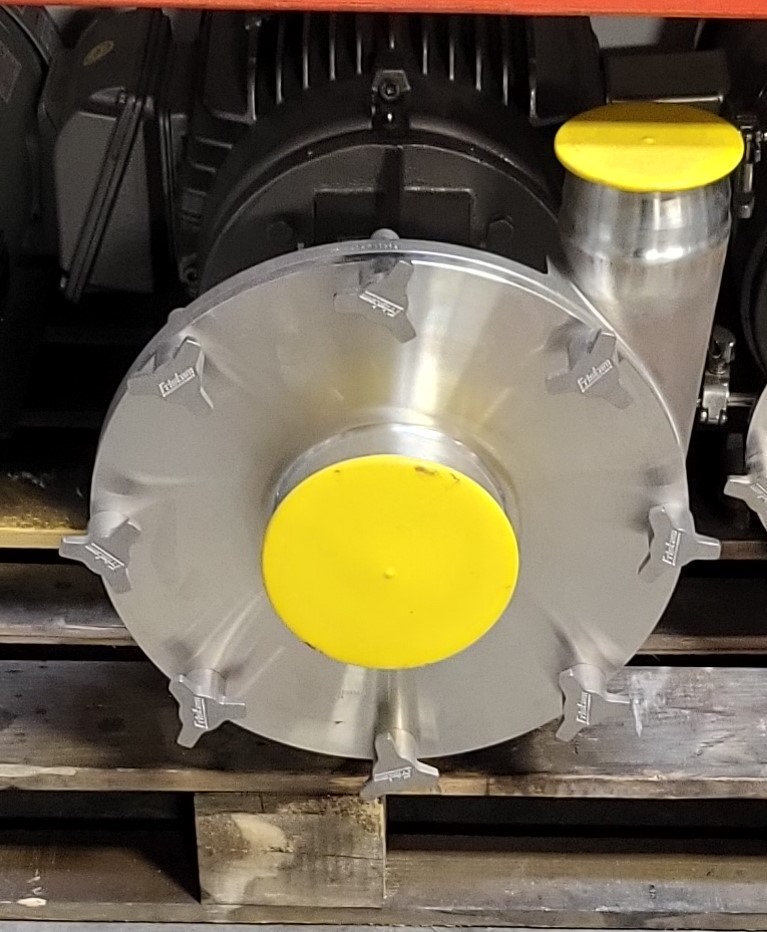
UNUSED FRISTAM FP-1161
$7,682 (USD)
Contact Us
UNUSED WAUKESHA U018, STAINLESS GEAR CASE
$6,554 (USD)
Contact Us
UNUSED WAUKESHA 2065HV
$4,980 (USD)
Contact Us
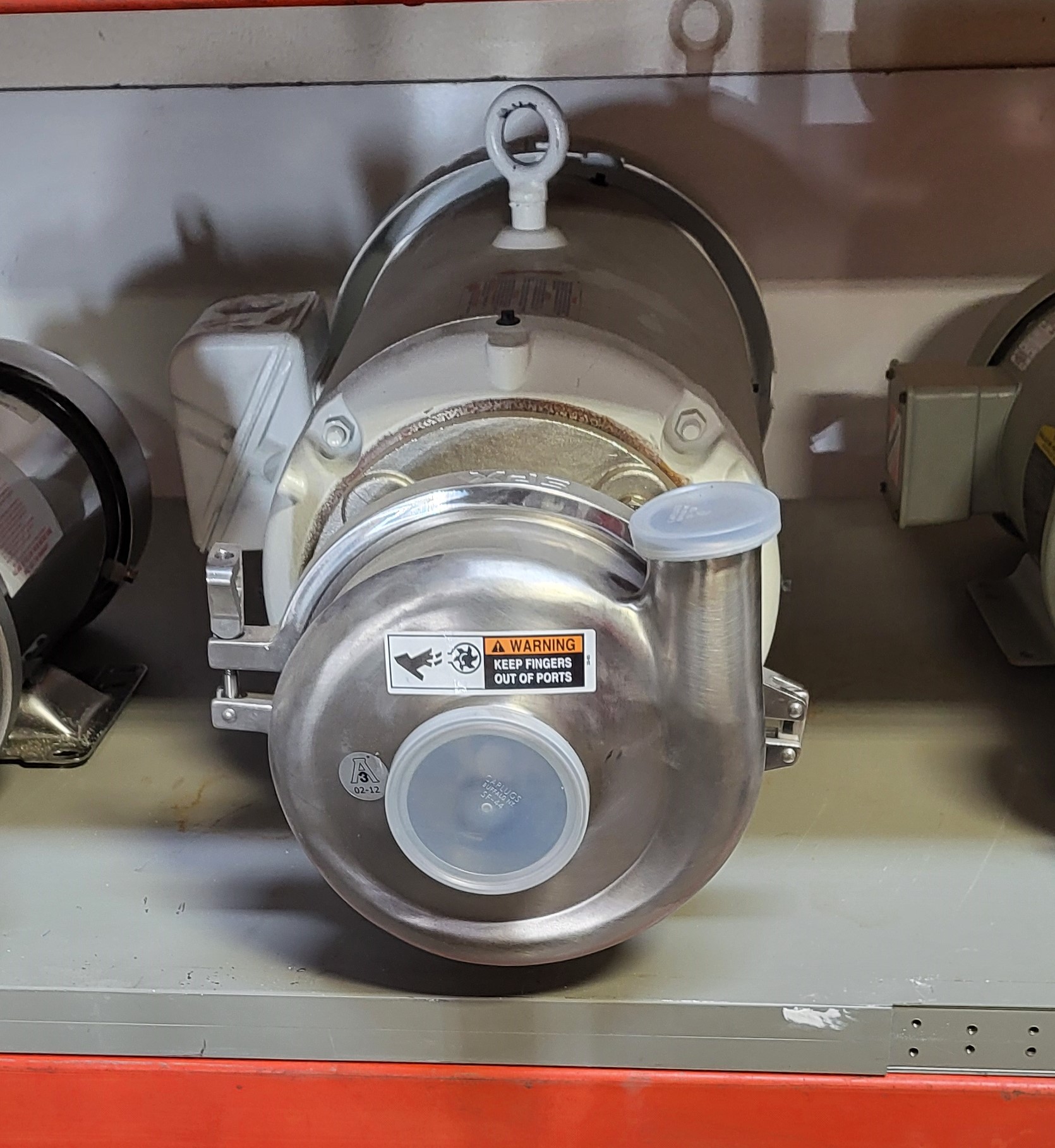
WAUKESHA 2065HV CENTRIFUGAL PUMP
$2,450 (USD)
Contact Us
1
2
3
›
»
Per Page: 12
12
24
48
96